
Updated October 2026
When it comes to marketing your children’s book, you might be wondering where to begin. Which marketing strategies should you use? Do you need to spend money on advertising? How do you get your book into readers’ hands?
I have worked with many children’s book authors over the years, and marketing feels far less overwhelming in stages. This article follows your book through all three stages: before launch, during launch, and the long season afterwards.
We’ll Cover:
Before Launch: Know your reader, build visibility early, and meet the people who will care about your book.
During Launch: Focus your energy, make it easy for supporters to help, and watch what is working while momentum is fresh.
After Launch: Keep showing up in simple, sustainable ways so new readers keep discovering your book long after launch week.
Whether you're still writing your manuscript or already have a published book, there's something you can do today to move forward.
Start Where You Are:
- Part 1: How to Market a Children’s Book Before Launch
- Part 2: How to Market a Children’s Book During Launch
- Part 3: How to Market a Children’s Book After Launch
- Miriam Answers Your Most Common Children’s Book Marketing Questions
- Final Thoughts
Part 1: How to Market a Children’s Book Before Launch
When Should You Start Marketing a Children’s Book?
The best time to start marketing your children’s book is when you begin working on it.
Compare two authors. One begins sharing her journey while her book is still being illustrated. She talks about why she wrote the story, introduces her main character, and invites people to follow along as the book takes shape. By launch day, readers already feel connected to the story and are ready to support it.
The other author keeps her book private until publication, then announces it to an audience hearing about it for the first time — she has to introduce the book, build trust, and ask for the sale all at once.
Neither author is more talented than the other. The difference is timing. You may think you don’t have anything to share about your book before the launch, but there are many parts of the process that your readers can become invested in.
Pre-launch marketing is important because it includes:
- understanding your audience
- becoming visible as an author
- beginning to talk about the themes or ideas behind the book
- building an email/social audience
- developing relevant relationships
I love seeing authors share their excitement as their books come together. That excitement is worth sharing! For more ideas on building interest before publication, read my article How to Sell Your Book Before It Is Published.
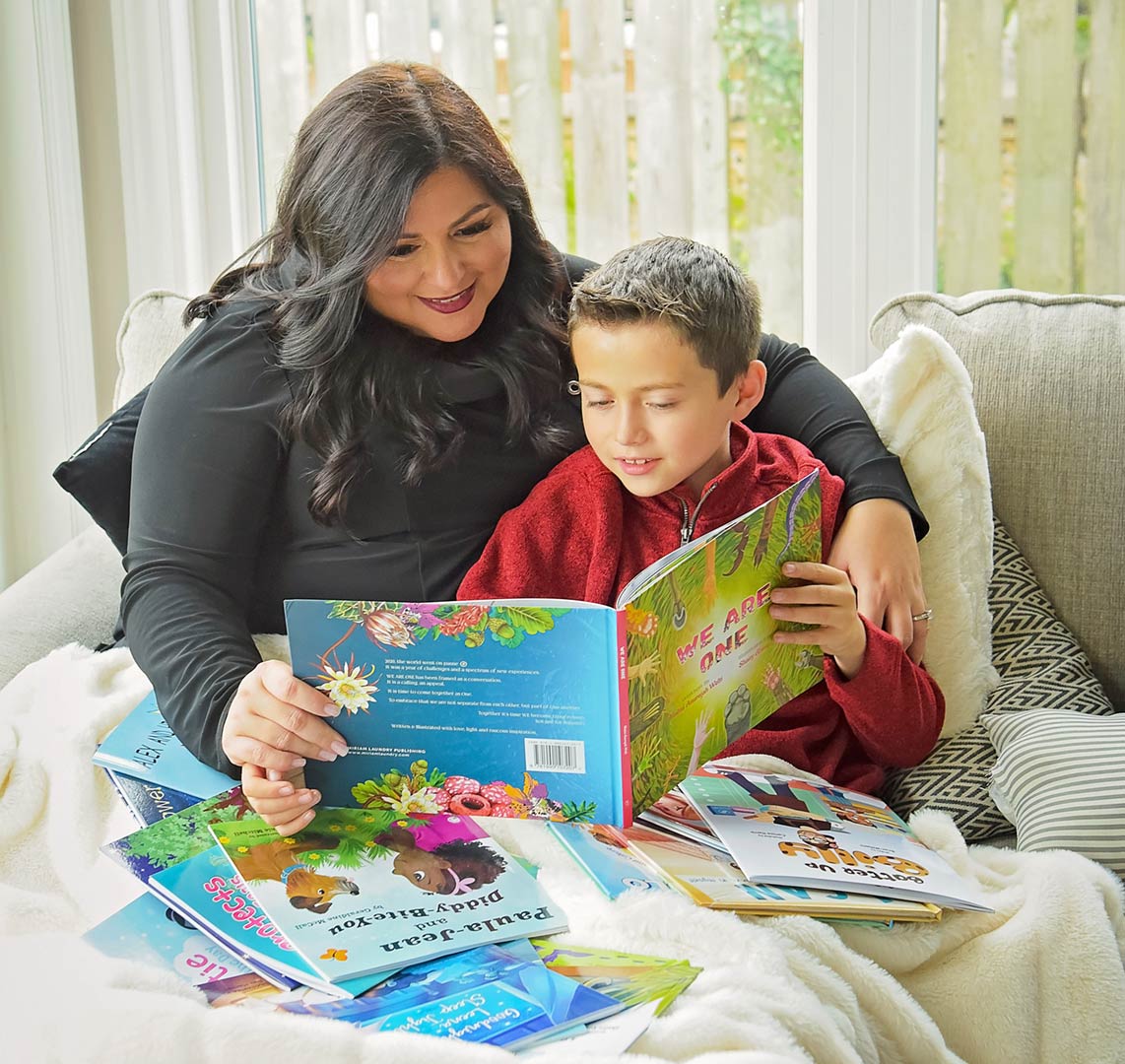
Know Who You Are Marketing Your Children’s Book To
One of the most important questions I encourage authors to ask is:
Who is actually going to purchase my children's book?
With children's books, the person reading the story is often different from the person buying it.
That distinction matters because each person may have a different reason for connecting with your book.
The reader: the child
Your story needs to engage the child who will experience it.
Think about their age, interests, reading abilities, and the emotions or experiences they might recognize in your story.
The purchaser: the adult buying the book
This could be a parent, grandparent, caregiver, teacher, or someone choosing a gift.
Adults often look for books that entertain children, encourage learning, support emotional development, or introduce meaningful conversations.
The gatekeeper or recommender: the person helping children discover books
Teachers, librarians, booksellers, schools, and community organizations often influence which books reach young readers.
They may consider how your book fits a particular age group, classroom topic, reading programme, or community need.
For example, imagine you've written a picture book about starting school.
A child might love the colourful illustrations and relatable main character.
A parent might appreciate a story that helps their child feel more confident about a new experience.
In the classroom, a teacher might see an opportunity to introduce the book during the first week of school.
It's the same story, but each audience connects with it differently.
My advice is to keep your story child-centred while making your marketing meaningful to the adults who purchase and recommend children's books.
When you understand these different audiences, it becomes easier to decide what to say, where to share your book, and which relationships to develop.
Build Visibility & Relationships Before You Start Selling
Marketing before your book exists is not about selling. It is about becoming a familiar, trusted presence in the places your future purchasers already spend time.
Depending on where your audience gathers, that might include reading and being read to at:
Local libraries, schools and community events.
Bookstores, gift shops and craft markets.
Parenting, teaching and grandparent communities online.
Social media platforms where your purchasers relax and browse.
Podcasts, blogs and newsletters your audience already trusts.
Conferences and gatherings for educators and children’s advocates.
You do not need to be everywhere — choose the few places where your purchasers already are, and show up consistently.

Armida Espinoza, a three-time Miriam Laundry Publishing author, presents to teachers and children in schools. When she presents, she reads her book to young students and equips the educators in the room. Those presentations have become one of her most important sales channels, built on relationships formed by showing up where her readers and purchasers already were.
You might be wondering what to share before your book is available. Share why you wrote your story and the problem it helps solve. Introduce your themes — courage, kindness, confidence, belonging — and the conversations they open for families and classrooms. Behind-the-scenes moments work too: a character sketch, a page in progress, or a lesson you are learning along the way.
Visibility is not about becoming famous. It is about becoming known, gradually and genuinely, by the people most likely to love your book.
Create a Pre-Launch Plan You Can Actually Maintain
I encourage authors to begin with a simple marketing plan rather than a long list of activities.
Choose one activity that helps new people discover you, such as sharing helpful or encouraging social media content.
Add one way to stay directly connected, such as an email newsletter.
Choose one relationship-building activity, such as introducing yourself to a local librarian or connecting with an educator.
Then decide how often you can realistically show up.
Perhaps you'll share something twice a week, send one email each month, and reach out to one community contact.
Your plan should fit your life, your available time, and the kind of book you're creating.
If you want more help organizing your ideas, explore The Musts of a Good Book Marketing Plan.
Before You Launch: Ask Yourself
- Who is my book really for?
- Who will purchase or recommend it?
- Where are those people already gathering?
- How will they discover me before the book is available?
- What marketing activity could I realistically continue after launch?
You don't need every answer immediately. Start with what you know, and allow your plan to become clearer as your book develops.
Whether you're still developing your story idea or preparing for publication, I want you to feel supported every step of the way, so I invite you to join my email community for more children’s book guidance.
Quick Takeaway
Start before your book exists. Know who will buy it, show up where they gather, and your launch day arrives with an audience already waiting.
I regularly share practical writing, publishing, and marketing advice to help you move forward with clarity and confidence.
I'd love to encourage you along the way!
Part 2: How to Market a Children’s Book During Launch
What Should You Focus on During a Children’s Book Launch?
During your children's book launch, I recommend focusing on a small number of activities that make it easy for people to discover, purchase, and share your book.
I love book launch days!
Seeing an author hold their finished book and celebrate everything they've accomplished is a beautiful moment.
But Launch season can feel like it asks everything of you at once. You do not need to do everything, and you certainly do not need to do it all in the same week. You do not need to post on every platform, email everyone you know, gather dozens of reviews, organize several events and run advertisements simultaneously. Focus on a small number of priorities, done well.
Build a Small Circle of Ambassadors
My top recommendation for launch season is a small circle of ambassadors: people who already believe in you and your book — fellow authors, friends, educators, community members — who agree to help spread the word. Give them clear, simple ways to help: a post to share, a date to share it, and a sentence or two about why the book matters. People are generous when the ask is easy.
Support your ambassadors with steady reminders rather than a single announcement: a note a week before, a short message the day before, and a joyful launch-morning post they can pass along. Then thank them, by name where you can. Gratitude is part of marketing too — it is how today’s helpers become next season’s community.
It can be difficult to remember what to focus on during the excitement of a launch, which is why I created The Ultimate Children’s Book Launch Marketing Checklist. You can refer back to this article to ensure that you’ve crossed every “t” and dotted every “i” in the lead up to your launch day.

Make It Easy for Your Existing Audience to Support the Book
Before announcing your launch, take a moment to look at your book from a potential purchaser's perspective.
- Can someone quickly understand what your book is about?
- Are your purchase links working?
- Can they easily find where to buy it?
- Does your book description accurately represent the story, its age group, and its themes?
- Is your author information current?
These details might seem small, but they help create a smoother experience for someone who's interested in your book.
If you're selling through Amazon, review your book listing carefully. Your description, cover, categories, and available purchasing information should help readers understand what they're considering.
For a deeper look at this platform, read How to Market Your Children’s Book on Amazon.
Once everything is ready, begin with the people who have already chosen to hear from you.
Your email subscribers, social media followers, community contacts, and launch ambassadors are a natural starting point.
This is where your pre-launch efforts come together. The relationships you've been nurturing now have an opportunity to support your finished book.
Where Should You Market Your Book During Launch?
The question I want you to keep asking is:
Where are the people most likely to care about this particular book?
That's where I would begin.
I believe both online and in-person marketing have an important place in a children's book marketing plan.
The right balance depends on your book, your audience, and your available time.
For launch day itself, I generally encourage authors to prioritize online promotion.
Online communication allows you to reach people quickly and direct them to a specific purchase page. If Amazon sales rankings are part of your launch goals, concentrating relevant purchase activity may support that effort, although bestseller status is never guaranteed.
Your online marketing might include social media, email, your author website, and relevant online communities where book sharing is welcome.
If social media is part of your plan, these resources can help you think more strategically:
What About In-Person Marketing?
After the initial launch period, you can shift more attention toward in-person opportunities.
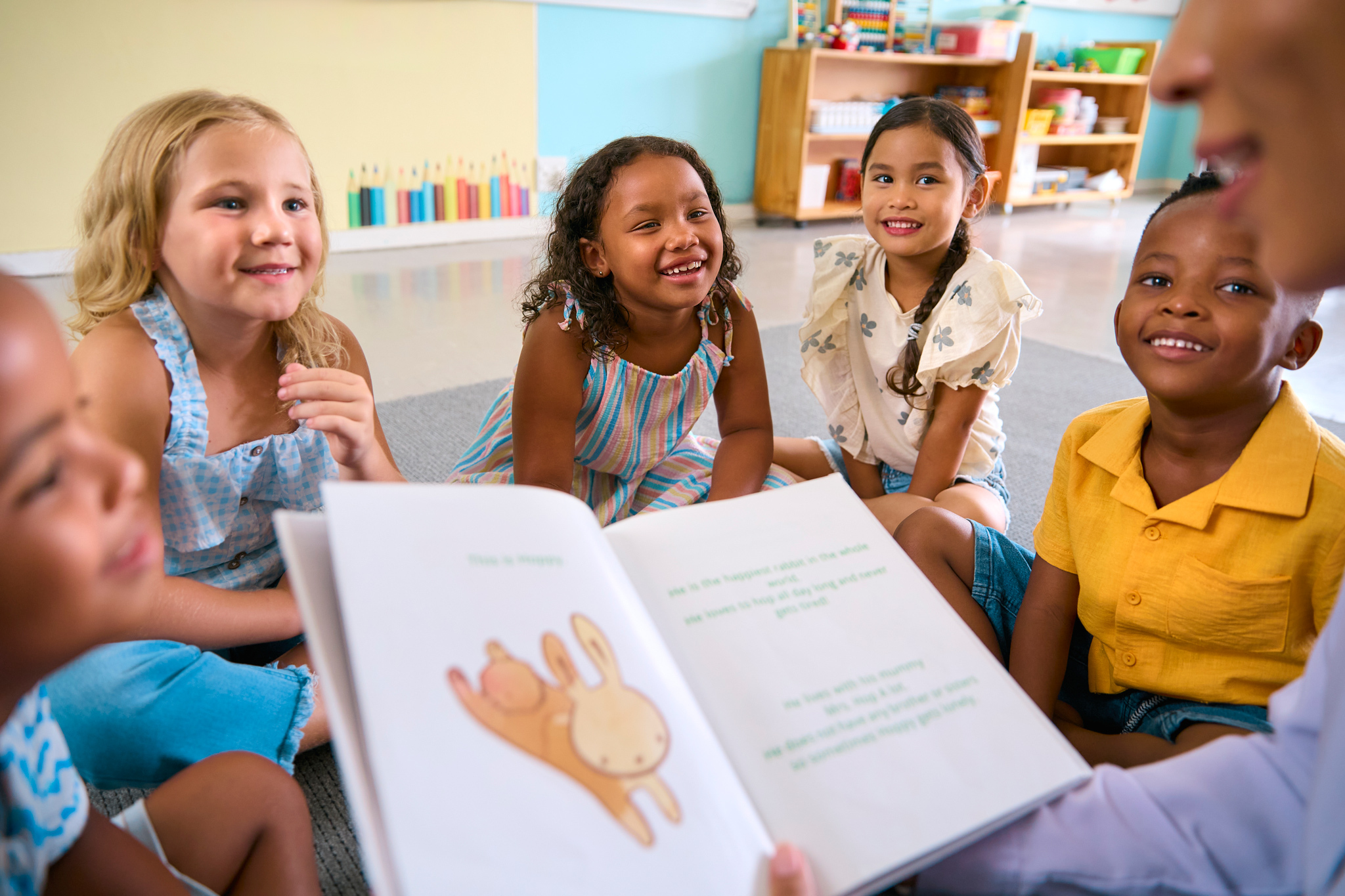
Read-alouds and library events are especially meaningful for children's book authors because they allow you to connect directly with young readers.
Children can experience your story, ask questions, and interact with you as the author. These events can also help you develop relationships with families and librarians.
Craft markets and community events offer another possibility.
An inviting book display, a friendly conversation, or a simple activity connected to your story can help people understand what makes your book special.
You might also explore school visits, local organizations, community celebrations, or events connected to your book's message.
For example, a story about kindness might be relevant to a school initiative focused on friendship and belonging.
If your time is limited, choose the opportunities most closely connected to your intended audience.
How Do You Know Whether Your Book Launch Is Working?
Book sales are one important way to measure your launch, but they aren't the only indicator.
I encourage authors to pay attention to the different ways people respond to their marketing.
Are you gaining email subscribers who want to hear more from you?
Is anyone commenting on your posts, asking questions, or sharing your announcements?
Are readers leaving reviews?
Have teachers, librarians, or event organizers expressed interest in your book?
Perhaps someone has recommended your story to another family, or a new community connection has opened the door to a future opportunity.
Overall, these are all worth noticing.
I would track a few simple measurements rather than checking every possible statistic.
For example, you might review book sales, reader engagement, and new relationship opportunities each week during launch.
Look for patterns. Which messages encouraged people to respond? Which activities led to purchases or inquiries? What seemed to connect most strongly with your audience?
The answers can help you decide where to focus next.
What About Paid Marketing?
I encourage authors to explore grassroots marketing before investing heavily in paid advertising or publicity.
Advertising and public relations can be expensive, and media exposure doesn't automatically translate into book sales.
Before hiring someone to promote your book, ask what results they can realistically demonstrate, how those results were measured, and what services you'll receive.
You can also approach local newspapers, radio stations, and relevant podcast hosts yourself.
If someone promises impressive results without explaining their process, take time to investigate. My article How to Spot Book Promotion Scams offers additional guidance on how to know if what you’re paying for is worth it.
I believe learning how to confidently talk about your book and build relationships is a valuable investment in yourself as an author. Marketing your children's book is a skill you can continue developing, one thoughtful step at a time.
During Your Launch: Ask Yourself
- Can someone easily understand what my book is about and where to buy it?
- Which two or three channels deserve most of my attention?
- Am I giving people different reasons to care about the book?
- Who in my existing community should know the book has launched?
- How will I know whether my marketing is creating something valuable?
Quick Takeaway
Launch week rewards focus, not volume. Make it effortless for people to buy and share your book, and let their responses show you what to do next.
Through my emails, I share helpful insights, resources, and encouragement to support you as you introduce your story to more readers. Join My Email List for Writing, Publishing, and Marketing Tips
Part 3: How to Market a Children’s Book After Launch
What Should You Keep Doing After Your Book Launch?
After your book launches, I recommend continuing to gather genuine reader reviews, share your story, and maintain the relationships that helped you reach your first readers.
Your launch deserves to be celebrated! You've reached a milestone that required creativity, commitment, and courage.
But your book's journey continues after launch day. One of the first things I encourage authors to focus on is reader reviews. When someone tells you how much they enjoyed your book, thank them and consider asking whether they'd be comfortable leaving an honest Amazon review.
Make it easy by providing the review link. If readers want to share photos, make sure they have the appropriate permission, especially when children appear in them, and follow the retailer's review guidelines.
Reviews can help future purchasers learn more about your book through other readers' experiences. I also encourage you to continue talking about your story. You might share a one-week milestone, reflect on your first month as a published author, or celebrate a meaningful message from a reader.
You can reduce the intensity of your launch schedule while continuing the activities that make sense for you. Launch intensity is temporary. Marketing consistency is long term.
Review What Worked — Then Give People New Reasons to Discover the Book
After launch, give yourself time to reflect on what you've learned.
I would look at four questions:
- What created attention? Which posts, events, or conversations introduced your book to new people?
- What created action? Which activities encouraged purchases, reviews, or inquiries?
- What created relationships? Where did you develop connections that could continue?
- What was sustainable? Which activities could you comfortably repeat?
Your answers can guide your next chapter.
An older book can continue finding new readers when you discover fresh, relevant reasons to share it. Perhaps your story connects with a seasonal celebration, an awareness month, or the beginning of a new school year.
You might highlight a reader review, celebrate an award, participate in a community event, or create an activity inspired by your book. A summer reading contest, for example, could offer families a fun way to reconnect with a story they already enjoy.
The key is to connect these opportunities naturally to your book rather than creating activities simply to stay busy.

Build a Sustainable Marketing Rhythm
I encourage authors to think about long-term marketing as a rhythm rather than a constant campaign.
A manageable approach might include:
- Awareness: Share something that introduces your book to new readers.
- Connection: Stay in touch with your existing audience through email or social media.
- Relationships: Reach out to a school, librarian, business, or relevant organization.
- Discoverability: Explore an event, partnership, or opportunity where people can encounter your book.
- Reflection: Review what is working and adjust your efforts.
You can spread these activities across a month rather than trying to complete everything each week. I also love encouraging authors to think beyond traditional bookstores.
One example is children's book author Lori Parks, who sold a box of books to her real estate agent. The agent could then gift those books to families with children. What a thoughtful way to connect a book with potential readers!
This example illustrates something important: the right partnership might come from a professional or business that already serves the families your book was created for. Consider educators, children's activity centres, family-focused businesses, local organizations, and community programmes.
For more ideas, check out The Number One Place to Pour Your Marketing Resources Into.
After Your Launch: Ask Yourself
- Which launch activities produced meaningful results?
- Which two or three activities can I realistically continue?
- How can I keep building relationships with readers, schools, libraries, or communities?
- What new reason could I give someone to discover this book next month?
- Am I measuring more than immediate sales?
- What would sustainable marketing look like for me for the next 90 days?
Quick Takeaway
Launch day is a beginning, not a finish line. Keep a pace you can hold, keep your relationships warm, and your book keeps finding new readers.
Miriam Answers Your Most Common Children’s Book Marketing Questions
When should I start marketing my children’s book?
I recommend starting as soon as you begin working on your book. Sharing your author journey early gives people an opportunity to connect with your story before publication.
Do I need a large social media following to sell my children’s book?
A large following can help, but it isn't essential. I've seen authors build meaningful opportunities through schools, personal connections, and community relationships by sharing why their books matter.
What should I focus on when my children’s book launches?
My top recommendation is to build an ambassador list before launch day. Give supporters clear information, helpful reminders, and an easy way to share your book with others.
Is online or in-person marketing more effective for a children’s book?
I recommend using both when possible. Online marketing can be especially useful during launch, while in-person opportunities such as school visits, read-alouds, and library events can help you build lasting relationships.
What should I keep doing after my children’s book launches?
Continue encouraging genuine reviews, sharing your book, and connecting with potential readers. I recommend maintaining a manageable marketing rhythm so your story has opportunities to reach new families long after launch day.
Final Thoughts
Marketing a children's book is about much more than announcing that it's available for purchase. It's about understanding who your story is for, building visibility, developing genuine relationships, and giving people meaningful opportunities to discover it.
I encourage you to begin before publication, focus your energy during launch, and continue showing up in ways that feel sustainable afterward.
You don't need to do everything. You just need to find the activities that fit your book, your audience, and your life, and give those efforts room to grow.
I believe in you and the story you have to share.
Keep Growing as a Children’s Book Author
If you'd like continued encouragement and practical guidance on writing, publishing, and marketing your children's book, I'd love to stay connected.
Join my email community for helpful resources, author insights, and inspiration to support you throughout your children's book journey. Your story deserves the opportunity to find its readers, and I'd love to help you take the next step.